











Complete guide to vegetables, nuts, seeds, spices and plant-based food knowledge
VeggiesInfo is a plant-based food information website designed to help users explore vegetables, nuts, seeds, spices and natural food knowledge in a structured and easy-to-understand way. This homepage content focuses on explaining the importance of plant-based foods, their nutritional value, and how they support a healthy lifestyle. The goal is to provide clear and useful information that helps visitors make better food decisions.
Understanding vegetables and their role in daily nutrition
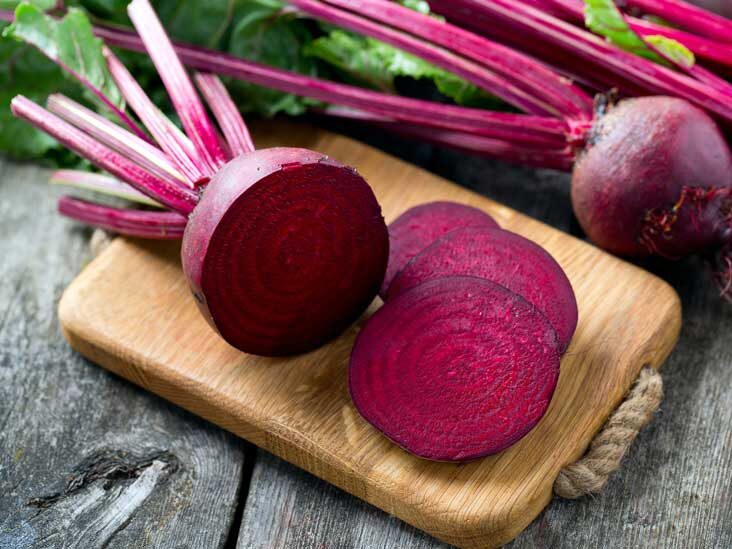
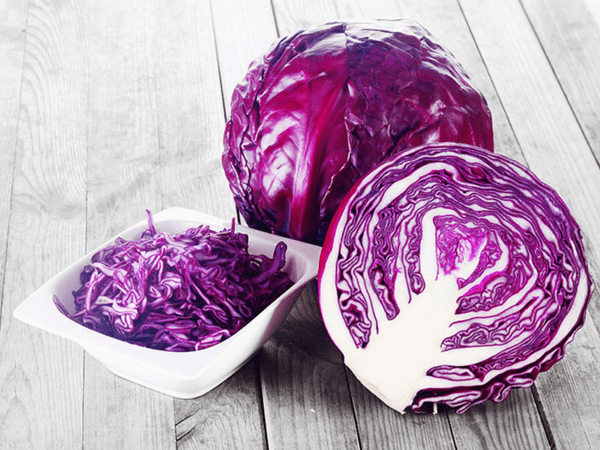
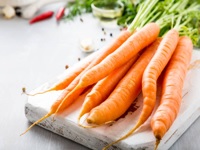
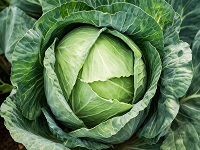
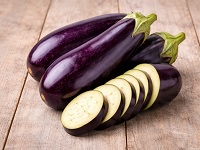
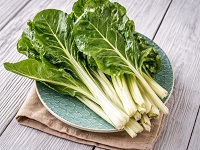
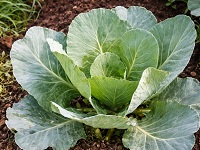
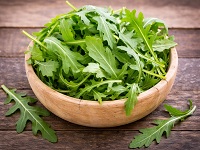
Vegetables are one of the most important parts of a balanced diet. They provide essential vitamins, minerals, fiber and antioxidants that support overall health. Common vegetables such as carrots, cabbage, cucumber, spinach and eggplant are widely used in everyday meals. Each vegetable has its own nutritional value and health benefits. For example, carrots are rich in beta-carotene which supports eye health, while leafy greens provide iron and help improve energy levels.
Vegetables also play a major role in digestion and immunity. High-fiber vegetables help maintain gut health and improve digestion. Many vegetables contain antioxidants that help protect the body from harmful substances. Because of these benefits, vegetables are recommended as a daily part of meals. Understanding different types of vegetables allows users to choose better ingredients and create healthier dishes.
VeggiesInfo organizes vegetable content in a structured way so users can explore them easily. Instead of searching randomly, users can browse vegetable categories and understand their uses, nutrition values and benefits in a clear format.
The importance of nuts in a plant-based diet
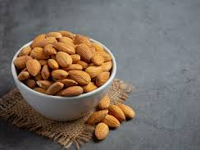
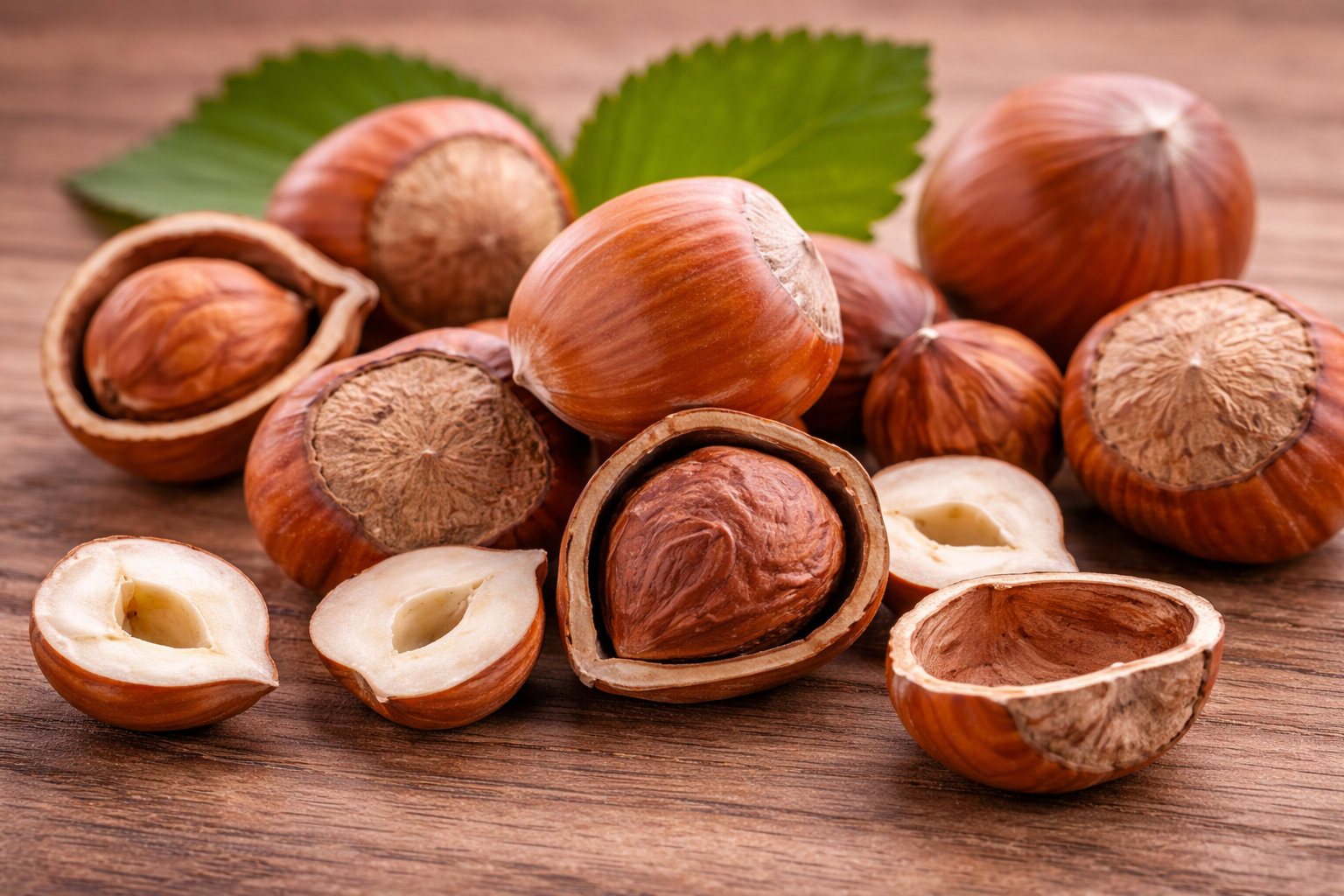
Nuts are nutrient-dense foods that provide healthy fats, protein and essential minerals. Almonds, walnuts, hazelnuts, cashews and brazil nuts are some of the most popular examples. Almonds are rich in vitamin E and support skin health. Walnuts contain omega-3 fatty acids that are beneficial for brain function. Hazelnuts and cashews provide energy and help support heart health.
Nuts are often used as snacks, added to recipes or included in plant-based diets as a source of protein. They are especially useful for people looking for alternatives to animal-based foods. Regular consumption of nuts in moderate amounts can support overall health and provide long-lasting energy.
VeggiesInfo presents nuts in a clear and organized format, allowing users to understand their nutritional value, compare different types and explore their uses in everyday food preparation.
Seeds and their nutritional value
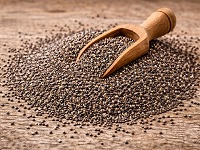
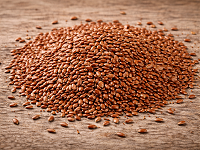
Seeds are small but powerful sources of nutrition. Chia seeds, flax seeds, sunflower seeds, pumpkin seeds and sesame seeds are commonly used in modern diets. Chia seeds are known for their high fiber content and ability to support digestion. Flax seeds are rich in omega-3 fatty acids and are often used for heart health. Pumpkin seeds provide important minerals such as magnesium, while sunflower seeds are a good source of vitamins.
Seeds are easy to include in daily meals. They can be added to smoothies, salads, breakfast bowls and baked foods. Because of their versatility, seeds have become popular among people who follow healthy eating habits. Understanding seeds helps users improve their diet with simple additions that provide strong nutritional benefits.
VeggiesInfo includes seed-based content to help users discover different types, learn their benefits and understand how to use them effectively.
Spices and their role in food and health
Spices are essential in cooking because they add flavor, aroma and depth to food. They also have traditional and medicinal value. Common spices such as turmeric, ginger, cinnamon and black pepper are widely used in different cuisines. Turmeric is known for its anti-inflammatory properties, ginger helps digestion, cinnamon supports blood sugar balance and black pepper improves nutrient absorption.
Spices not only improve taste but also contribute to overall wellness. They connect food with culture and tradition, making meals more enjoyable and meaningful. Learning about spices helps users create better recipes while also benefiting from their natural health properties.
VeggiesInfo provides information about spices to help users understand their uses, benefits and importance in everyday cooking.
Plant-based food and healthy lifestyle
A plant-based diet focuses on natural foods such as vegetables, nuts, seeds and spices. This type of diet is becoming more popular because it supports better health and long-term wellness. Plant-based foods are generally rich in nutrients and low in processed ingredients. They help improve digestion, increase energy levels and support overall body functions.
By choosing plant-based foods, users can create balanced meals that are both nutritious and satisfying. VeggiesInfo supports this approach by providing structured information that helps users understand food choices and apply them in daily life.
Why structured food information is important
Many users face difficulty finding reliable and organized food information online. Content is often scattered and disconnected, making it hard to compare foods or understand relationships between different ingredients. VeggiesInfo solves this problem by organizing content into clear categories such as vegetables, nuts, seeds and spices.
This structured approach helps users explore food topics step by step. Instead of searching repeatedly, users can follow a clear path and build their knowledge gradually. Organized content improves usability and makes the website more effective as a learning platform.
Helping users make better food decisions
VeggiesInfo is designed to support users in making better food choices. Whether someone wants to improve their diet, learn about ingredients or explore new foods, the website provides useful information in a simple format. By understanding vegetables, nuts, seeds and spices, users can create healthier meals and develop better eating habits.
The website acts as a guide that connects different food topics and helps users discover useful information without confusion. This makes it easier for visitors to stay engaged and continue exploring the site.
Conclusion
VeggiesInfo is a complete platform for plant-based food knowledge. It brings together vegetables, nuts, seeds, spices and natural food information in one place. By providing clear content and structured categories, the website helps users learn, explore and make better food decisions.
As interest in healthy eating continues to grow, having access to organized and reliable food information becomes more important. VeggiesInfo aims to provide that support by offering useful content that is easy to understand and apply in everyday life.


